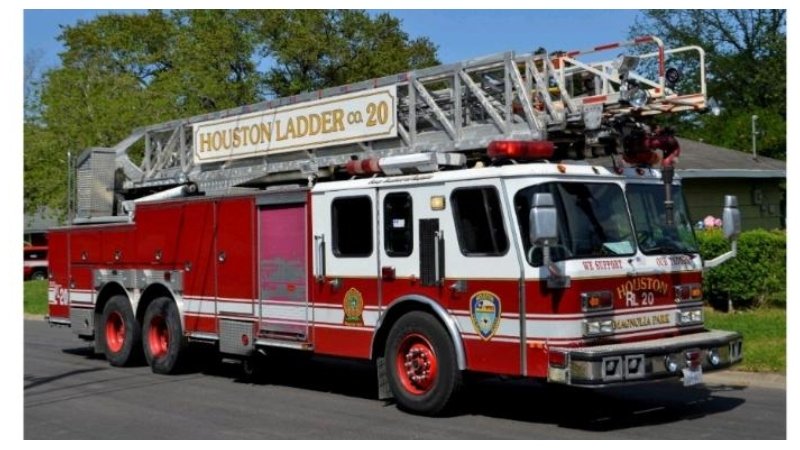
Do you ever think about how safe your home is from fire risks? A peaceful home is not only clean and comfortable. It should also protect your family from danger. Fire accidents can happen at any time, and they can cause stress, injury, and damage.
Many home fires start from small mistakes that people often ignore. Start improving your home safety today and encourage your loved ones to follow safe practices as well. Small efforts today can prevent major problems in the future.
Understanding the Importance of Fire Safety
Fire safety is an important part of daily life. It protects people, homes, and personal belongings from harm. A safe home creates a calm and peaceful environment for every family member. When people know their home is protected, they feel less stress and worry. Fire prevention also helps families avoid expensive repairs and emotional pain after accidents.
Many fires happen because people forget basic safety steps. Small mistakes can quickly turn into dangerous situations. Fire safety planning lowers the chance of accidents. It also helps families respond faster during emergencies. Learning about fire prevention should become part of every household routine. Families who focus on safety often feel more confident and secure in their homes.
Keeping Smoke Alarms in Good Condition
Smoke alarms help warn people before a fire spreads. They make loud sounds that alert everyone in the house. Early warnings can save lives and reduce injuries. Every home should have smoke alarms in important areas. Bedrooms, hallways, and kitchens are common places where alarms should be installed.
Smoke alarms should be tested every month. Batteries should be changed often to keep them working well. Broken alarms should be replaced immediately. Families should also teach children what the alarm sound means. Dust and dirt should be cleaned from smoke alarms regularly. Proper maintenance helps alarms work correctly during emergencies.
Creating a Home Fire Escape Plan
Every family should have a fire escape plan. This plan helps people leave the home quickly during emergencies. A clear escape route can reduce panic and confusion. Everyone should know where to go after leaving the house. Families should also identify more than one exit from each room.
Practice fire drills with family members several times each year. Make sure children understand how to escape safely. Keep exits clear from furniture and clutter. Families should also choose a safe meeting place outside the home. Practice drills help people react faster during real emergencies. Repeating these drills builds confidence for both adults and children.
Using Electrical Appliances Safely
Electrical problems are one of the main causes of house fires. Damaged cords and overloaded outlets can create sparks. Appliances should always be used carefully. People should unplug devices when they are not needed. Safe electrical habits reduce risks and improve home safety.
Avoid placing cords under rugs or furniture. Replace old wires that look broken or worn out. Use power strips safely and avoid connecting too many devices in one outlet. Safe electrical habits reduce fire risks in every room. Electrical systems should also be checked by professionals when problems appear. Taking quick action can prevent dangerous accidents from happening.
Keeping the Kitchen Fire Safe
The kitchen is a common place where fires begin. Cooking should never be left unattended. Hot oil and open flames can become dangerous very quickly. Simple kitchen habits can prevent many accidents. Staying alert while cooking is very important for safety.
Keep towels, paper, and plastic away from heat sources. Turn pot handles inward to avoid spills. Children should stay away from stoves and ovens while cooking is happening. Clean grease from cooking surfaces often to avoid sudden flames. Keep a fire extinguisher near the kitchen for emergencies. Safe cooking habits help protect both the home and the family.
Storing Flammable Items Properly
Many homes contain flammable materials such as paint, gas, and cleaning products. These items can increase fire danger if stored carelessly. Families should keep them in cool and dry places. Proper storage helps reduce accidents inside the home. Safe handling of chemicals is also very important.
Do not place flammable products near heaters or open flames. Make sure containers are tightly closed. Read warning labels before using any chemical product. Safe storage keeps the home environment peaceful and secure. Families should also keep these products away from children. Organized storage areas help prevent confusion and accidents.
Teaching Children About Fire Safety
Children should learn fire safety at an early age. They need to understand that fire is dangerous. Teaching safety rules helps children make smart choices. Parents should explain what to do during emergencies. Early learning builds good habits that can last for life.
Children should never play with matches or lighters. They should know how to call emergency services if needed. Practice escape plans together as a family. Learning these habits builds confidence and awareness in young children. Parents should answer questions calmly and clearly. Positive learning experiences help children remember important safety lessons.
Checking Heating Equipment Regularly
Heating systems help keep homes comfortable during cold weather. However, damaged heaters can become fire hazards. Families should inspect heating equipment often. Regular checks help prevent accidents before they happen. Heating systems should always be used according to instructions.
Keep heaters away from curtains, furniture, and paper products. Turn heaters off before sleeping or leaving home. Clean dust from heating systems to improve safety. Professional inspections can also help identify hidden problems. Portable heaters should be placed on flat and stable surfaces. Safe heating practices reduce risks during colder months.
Practicing Candle Safety at Home
Candles create a warm and relaxing feeling in many homes. However, they can also start fires if left unattended. Safe candle use is very important for every household. People should stay alert when candles are burning. One small mistake can quickly lead to danger.
Place candles on stable surfaces away from flammable objects. Blow them out before leaving a room. Keep candles out of reach of children and pets. Battery-operated candles can also be a safer option. Avoid placing candles near curtains or decorations. Simple safety habits can prevent serious accidents.
Protecting the Home With Fire Extinguishers
Fire extinguishers are useful tools during small fire emergencies. They can stop fires before they spread to other areas. Every home should have at least one fire extinguisher. Kitchens and garages are good places to keep them. Fire extinguishers provide extra protection for families.
People should learn how to use extinguishers correctly. Equipment should also be checked often to make sure it works properly. Many families choose a trusted fire extinguisher inspection company to help maintain their safety equipment.
Proper maintenance keeps fire tools ready for emergencies. Everyone in the home should know where extinguishers are located. Quick access during emergencies can make a big difference.
Avoiding Smoking Inside the Home
Smoking indoors can increase fire risks. Cigarettes can start fires if they are not fully extinguished. Many home fires happen because people fall asleep while smoking. Families should avoid smoking inside the house whenever possible. Smoke can also affect indoor air quality and health.
Use deep and stable ashtrays if smoking cannot be avoided. Make sure cigarette ends are completely out before throwing them away. Never smoke near oxygen tanks or flammable products. Safe habits protect both people and property. Outdoor smoking areas are often safer choices. Responsible habits help reduce preventable accidents.
Keeping Emergency Numbers Easy to Find
Emergency numbers should always be easy to access. Quick action during a fire emergency can save lives. Families should place emergency contacts near phones or on refrigerators. Everyone in the home should know who to call. Fast communication helps emergency teams respond quickly.
Teach children how to contact emergency services. Explain important details they should share during a call. Keep phones charged and ready for use. Being prepared helps families stay calm during stressful moments. Families should also know the location of nearby hospitals and fire stations. Good preparation supports faster emergency response.
Installing Fire-Resistant Materials
Fire-resistant materials can slow the spread of flames. These materials provide extra protection for homes and families. Many builders now use safer products during construction. Small upgrades can improve safety without major changes. Fire-resistant materials also reduce property damage.
Fire-resistant doors and insulation are useful additions. Rugs and curtains with fire-resistant features are also available. These materials help reduce damage during emergencies. They also give families more time to escape safely. Homeowners should consider safety when buying furniture and decorations. Smart choices improve long-term home protection.
Keeping Outdoor Areas Safe
Outdoor spaces also need fire safety attention. Dry leaves, trash, and wood piles can easily catch fire. Families should clean outdoor areas regularly. Safe outdoor spaces lower the chance of fires spreading into the home. Outdoor safety should not be ignored by homeowners.
Store grills and fuel containers carefully. Keep fire pits away from buildings and trees. Do not leave outdoor flames unattended. Regular outdoor maintenance improves safety for the whole property. Trim plants and grass to reduce fire risks during dry seasons. Clean outdoor spaces also improve the appearance of the home.
Maintaining a Calm Mind During Emergencies
Fear and panic can make emergencies worse. Staying calm helps people think clearly during dangerous situations. Families should practice emergency steps often. Preparation builds confidence and reduces confusion. Calm actions can help protect lives during emergencies.
Teach everyone to move quickly but safely. Remind family members to avoid going back inside burning homes. Calm actions improve the chance of safe escape. Good preparation creates peace of mind for the entire family. Parents should guide children with clear instructions during emergencies. Confidence comes from regular practice and preparation.
Preparing an Emergency Safety Kit
Emergency kits are important during disasters and fires. These kits should contain basic supplies for the family. Having supplies ready saves time during emergencies. Every household should prepare one in advance. Emergency kits help families stay organized during stressful situations.
Include flashlights, water, batteries, and first aid items in the kit. Keep important documents in a safe container. Check the kit often and replace expired items. Prepared families can respond better during difficult situations. Store the emergency kit in an easy-to-reach location. Every family member should know where the kit is kept.
Reducing Clutter Around the House
Clutter can make fires spread faster. It can also block escape routes during emergencies. Clean and organized homes are safer for everyone. Families should remove unnecessary items regularly. Good organization improves both comfort and safety.
Keep hallways and doors clear at all times. Store papers and boxes away from heat sources. Organized spaces make it easier to move during emergencies. A clean home supports both comfort and safety. Families should create regular cleaning schedules to manage clutter. Small cleaning habits can greatly improve fire prevention.
Working Together as a Family
Fire safety works best when everyone helps. Each family member should understand their role during emergencies. Teamwork improves safety and reduces fear. Families should talk about safety habits often. Good communication helps everyone stay prepared.
Parents can assign small tasks to children and teenagers. Everyone should help check alarms and exits. Working together creates stronger safety habits. It also helps build trust and responsibility inside the home. Family support makes safety routines easier to follow. Shared responsibility creates a stronger sense of security.
Learning From Past Fire Incidents
Many people improve safety after learning from past accidents. News reports and community stories often show common fire causes. Families can use these lessons to avoid similar mistakes. Awareness helps people make safer decisions every day. Learning from others can prevent future problems.
Discuss fire safety topics with family members regularly. Attend local safety programs if available. Continue learning about new fire prevention tools and methods. Education is an important part of long-term home safety. Schools and community groups can also help spread awareness. Knowledge gives families the power to stay protected.
Explore The Role of Fire Safety
Fire safety is a powerful way to create a peaceful home environment. Simple habits can protect families from fear, injury, and property damage. Every family should take time to improve safety inside and outside the home.
Prevention is always better than dealing with a dangerous emergency later. Small changes today can create lasting protection for the future.
Did you enjoy reading this article? If so, then be sure to check out the rest of our blog for more!